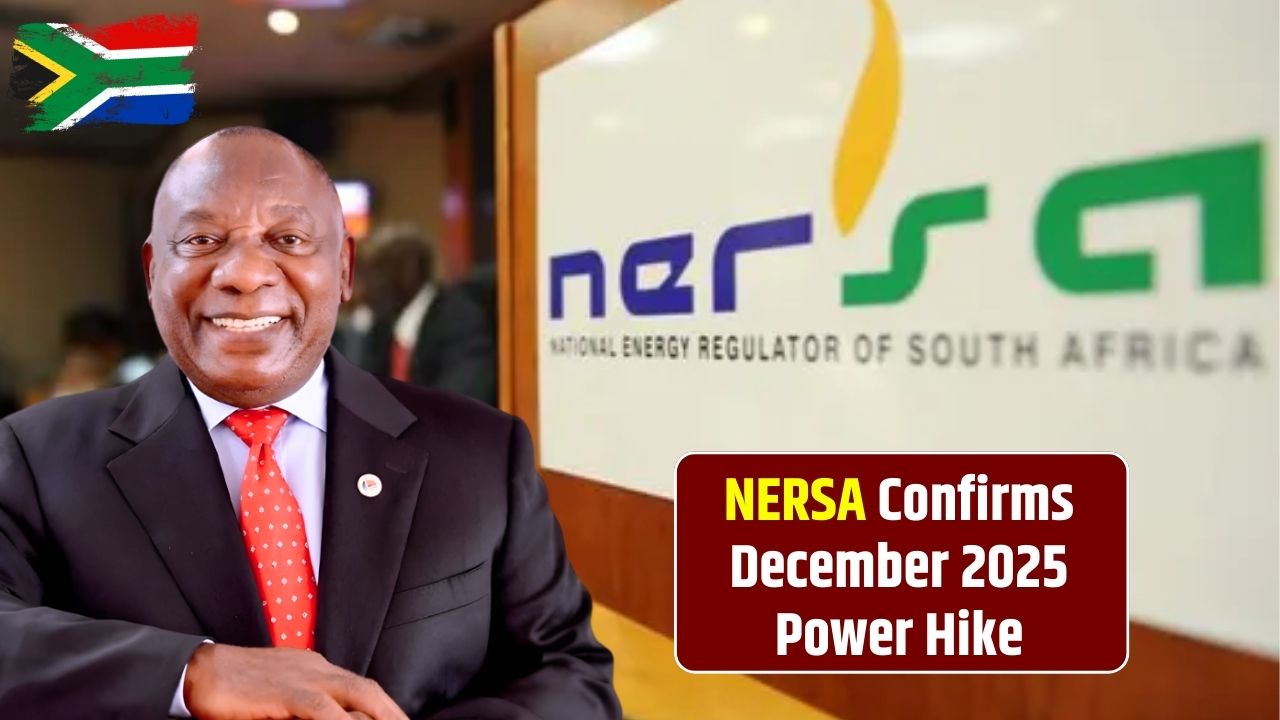
December 2025 NERSA Electricity Tariff Increase: South Africans will face higher electricity costs from December 2025 after NERSA approved a new tariff adjustment. This increase arrives at a time when many households are already trying to control spending and reduce monthly expenses. The updated tariff will affect residential customers, businesses and large power users nationwide. Understanding how the increase works and why it was introduced will help consumers prepare for the coming changes.
Updated December 2025 Electricity Tariff Rates
| Consumer Type | Previous Average Tariff | New Average Tariff | Estimated Monthly Increase | Notes |
|---|---|---|---|---|
| Residential Households | Variable per kWh | 12 percent higher | R150 to R300 | Depends on usage levels |
| Small Businesses | Variable per kWh | 12 percent higher | R280 to R650 | Higher costs for high-consumption equipment |
| Medium Enterprises | Variable per kWh | 12 percent higher | R600 to R1,200 | Additional municipal surcharges may apply |
| Large Commercial Users | Variable per kWh | Above 12 percent | Varies by region | Increased demand charges possible |
| Municipal Customers | Variable per kWh | 12 percent increase | Depends on municipality | Local authorities may adjust fees |
Why NERSA Approved New Electricity Tariffs for 2025
NERSA finalised the tariff hike to support Eskom’s operational needs, long-standing debt obligations and essential maintenance requirements. South Africa’s electricity network continues to experience breakdowns, slow repair processes and resource shortages that affect national supply. The regulator expects the higher rates to give Eskom additional financial capacity to stabilise its generation and distribution systems. Many consumers, however, feel that they are unfairly absorbing the cost of Eskom’s management failures and the continuous decline in service reliability.

Detailed Breakdown of the December 2025 Electricity Price Increase
The approved tariff increase will raise electricity bills by an average of 12 percent nationwide. Depending on the region, some municipalities may apply further adjustments once the national tariff takes effect. Households are expected to see their monthly expenses rise between R150 and R300, depending on how much electricity they use each month. Businesses that rely heavily on machinery, refrigeration or industrial equipment will face larger increases, which could eventually lead to higher prices for products and services across the country.
Impact of the Tariff Hike on Homes and Small Businesses
Families already paying more for groceries, transport and essential services may face difficulty managing the additional rise in electricity fees. Many households will need to reduce overall spending or change their energy habits to stay within budget. Small and medium-sized enterprises may also struggle to absorb the new operational costs. These businesses often operate with limited profit margins, and higher tariffs may force them to raise their prices or cut back on staff and services, affecting local communities and the broader economy.

Practical Ways to Manage Rising Power Costs
There are several steps consumers can take to reduce the impact of higher electricity prices. Switching to energy-efficient appliances and LED lighting can help lower monthly consumption. Households should also use high-energy devices like geysers, heaters and stoves more strategically to avoid unnecessary spending. Exploring alternative energy options, including solar systems or hybrid power setups, may also offer long-term savings. Simple changes to daily energy habits can significantly reduce the effect of increased tariffs.
Final Verdict
The December 2025 electricity tariff hike marks another adjustment that will place added pressure on households and businesses already dealing with rising living costs. While NERSA believes the increase is necessary to strengthen South Africa’s electricity infrastructure, consumers will inevitably carry the financial impact. Preparing early, monitoring energy usage and exploring cost-saving options will help South Africans navigate the change more effectively.

Disclaimer
This article provides general information based on official updates from NERSA and municipal power providers. Electricity tariffs, municipal charges and implementation timelines may change without prior notice. Consumers should verify final details directly with their municipality or electricity supplier.