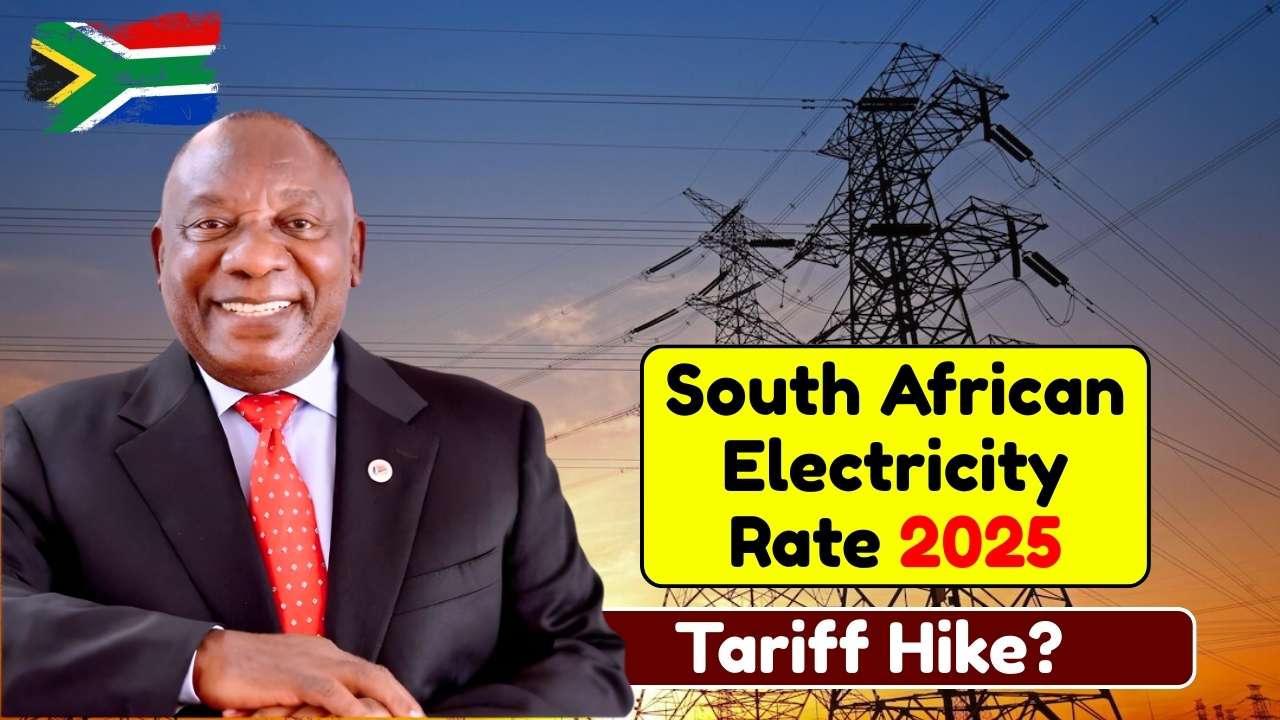
South Africa 2025 Electricity Tariff Increase: The rising cost of electricity continues to shape the daily realities of households across South Africa. As the 2025 tariff adjustments roll out, many consumers are bracing for another round of increased expenses at a time when overall living costs are already stretching budgets to the limit. The latest hike forms part of a broader effort to stabilise the country’s energy system, but for everyday South Africans, it translates into higher bills and the need for tighter spending habits.
Electricity Tariff Increase 2025 Table
| Category | Expected Impact |
|---|---|
| Average Household Bills | Gradual monthly increase based on usage |
| Prepaid Electricity | Fewer units for the same purchase amount |
| Business Electricity Costs | Higher operational expenses |
| Municipality Variations | Rates differ by city and provider |
| Energy Relief Measures | Encouragement for efficient usage and alternative power options |
Why Electricity Prices Are Increasing in 2025
South Africans are witnessing another escalation in tariffs largely due to long-standing challenges within the power sector. Ageing infrastructure, rising maintenance requirements, breakdown-prone stations and the push toward cleaner, more modern energy systems have intensified the financial demands on electricity suppliers. The 2025 hike aims to support a more reliable electricity landscape, though many citizens fear the immediate affordability issues it creates.

How Much More Will You Pay
The exact increase varies depending on municipality, consumption levels and whether users rely on prepaid or postpaid systems. Prepaid customers will likely feel the change sooner, receiving fewer units for the same payment. Families that depend heavily on electrical appliances for heating, cooking and cleaning may need to adopt new routines such as reducing high-usage appliances or spreading out consumption more strategically to avoid bill spikes.
Impact on Businesses and Workers
The tariff increase also impacts small and medium-sized businesses, especially those with energy-heavy operations. Hair salons, small factories, bakeries, retail outlets and workshops may struggle to keep profit margins stable unless they adjust pricing or cut back on usage. Larger organisations could shift the financial burden onto consumers, potentially raising prices for goods and services. Workers may feel the strain indirectly through increased transport, food and household expenses.

What Households Can Do to Reduce the Impact
South African families are increasingly adopting cost-saving strategies to navigate rising tariffs. Simple choices like energy-efficient bulbs, reducing geyser hours, limiting heater usage and unplugging unused devices can make a noticeable difference. Some households are considering partial solar setups, rechargeable lighting or small backup power systems to offset grid dependency. Even modest changes can lead to meaningful savings over the course of a year.
Looking Ahead to South Africa’s Energy Future
The 2025 tariff increase highlights the greater need for long-term reform. As renewable energy grows and infrastructure upgrades continue, there is hope for fewer outages and more dependable supply. For now, South Africans must manage higher costs while awaiting policy shifts and system improvements aimed at creating a more affordable and sustainable energy future.

Final Verdict
The 2025 electricity tariff increase places added pressure on both households and businesses, but it also reflects the country’s ongoing energy challenges and need for systemic upgrades. While consumers will feel the financial pinch, proactive usage habits, efficiency measures and gradual adoption of alternative energy solutions can help ease the impact. South Africans remain resilient, adapting to rising costs while looking toward a more stable electricity landscape in the years ahead.
Disclaimer
This article is based on publicly available information, projected tariff changes and general industry insights for 2025. Actual pricing and municipal variations may differ depending on local regulations, provider adjustments and official announcements. Consumers should refer to their municipality or electricity service provider for the most accurate and updated tariff information.